The most crucial factor after surgery is proper wound care. In the first few days, slight swelling around the surgical area is normal. You need to keep the wound dry and clean, avoiding water contact for at least the first week to reduce the risk of infection. Bandage changes should be done following your doctor’s instructions. To minimize swelling and discomfort, take prescribed anti-inflammatory and pain-relief medications and apply cold compresses within the first 48 hours to speed up healing.
Additionally, limiting intense movements is essential to ensure the breasts settle properly. For at least the first four weeks, avoid raising your arms too high, carrying heavy objects, or performing any strenuous activities that put pressure on your chest. Activities such as gym workouts, swimming, and running should be postponed to prevent any adverse effects on the breast shape. When sleeping, the best position is to lie on your back, as sleeping on your side or stomach could cause misalignment and affect the incision.
Apart from wound care, diet plays a crucial role in the healing process. Foods like seafood, chicken, sticky rice, and water spinach should be avoided for at least one month as they can cause itching, delayed healing, or scarring. Additionally, you should limit spicy foods, alcohol, caffeine, and smoking since these can slow tissue regeneration. On the other hand, increasing your intake of protein, vitamin C, and collagen from red meat, green vegetables, and fresh fruits will help speed up wound healing and improve skin texture.
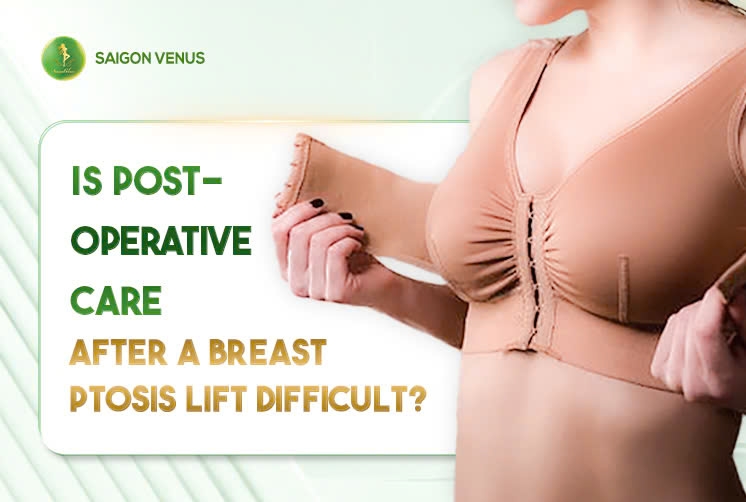
Another important factor is wearing a specialized compression bra. This bra helps stabilize the breasts, prevents shifting, and supports natural shaping. It is recommended to wear it for at least 1-3 months, and avoid using wired bras too soon as they can impact the incision area.
Finally, make sure to attend all scheduled follow-up appointments so your doctor can monitor your healing progress and ensure there are no complications. If you experience any unusual symptoms such as prolonged swelling, discharge, or high fever, contact your doctor immediately for further examination.
Overall, post-operative care after a breast ptosis lift is not difficult—it simply requires patience, adherence to medical guidelines, and a well-planned recovery routine. With proper care, your breasts will stabilize quickly and achieve the aesthetic results you desire. A little patience in the early stages will reward you with a firm, youthful, and beautifully contoured bust for years to come