


In rhinoplasty, true transformation is not defined by height alone, but by how precisely the nose is reconstructed to harmonize with the entire facial structure while preserving long-term stability and function. This case is a clear example of how 3D Signature Rhinoplasty can deliver predictable, refined, and natural results—especially in patients with complex nasal characteristics.
Preoperative Assessment: Structural and Aesthetic Challenges
Before surgery, the patient presented with several nasal issues that affected both facial balance and overall refinement. From the frontal view, the nasal axis showed a mild deviation, causing asymmetry between the two nostrils. One nostril appeared slightly retracted and uneven compared to the other, indicating an underlying imbalance in the nasal framework rather than a simple surface-level issue.
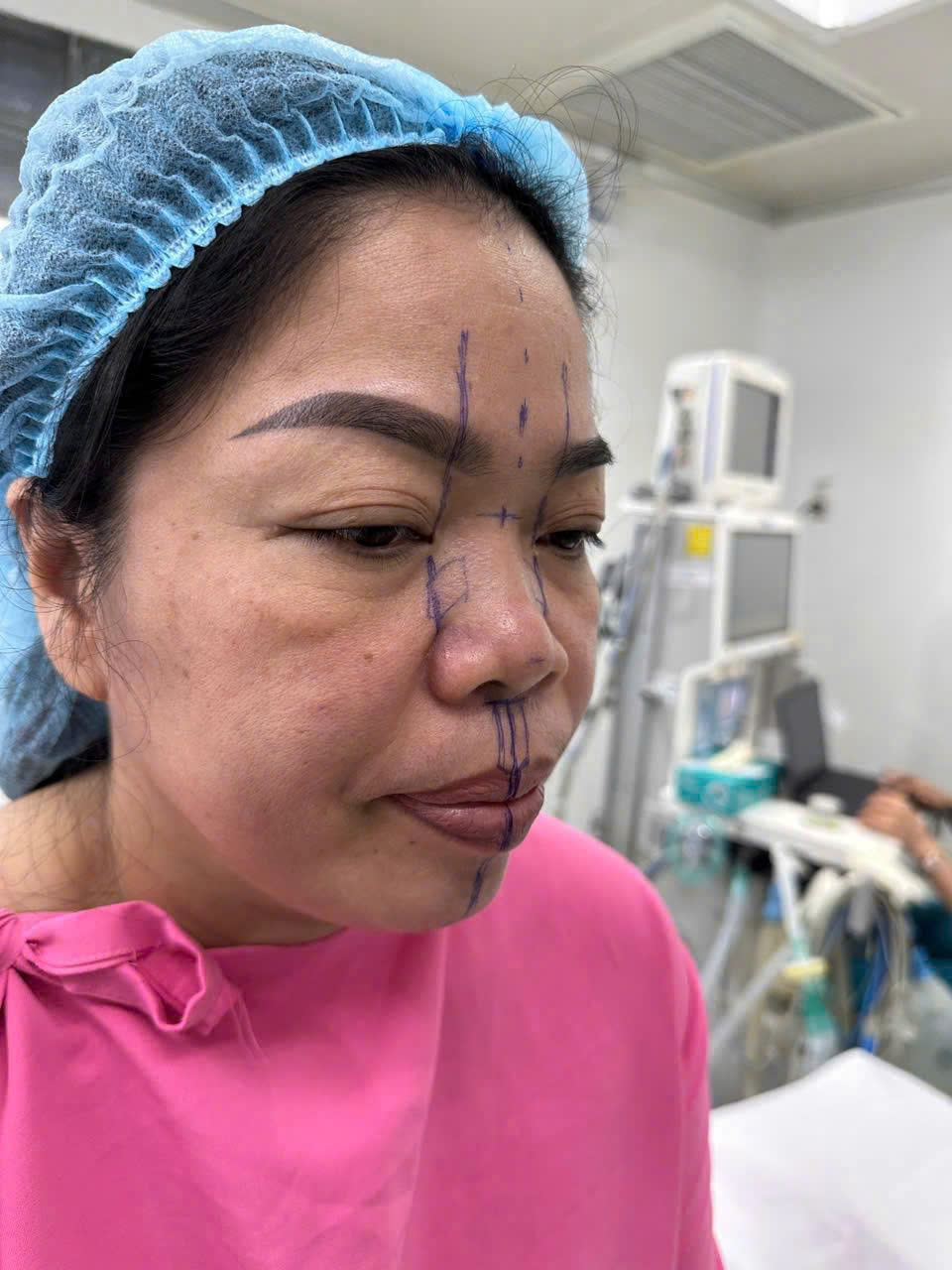


From the lateral perspective, the nasal bridge was relatively low and lacked continuity, resulting in a flat midface profile. The nasal tip appeared bulky, under-projected, and poorly supported, with limited definition. This was partly due to a weak columella and insufficient structural support of the tip complex. Additionally, the skin quality showed signs of thickness and reduced elasticity, which can limit the effectiveness of conventional rhinoplasty techniques if not carefully planned.
These combined factors suggested that a traditional, manual approach would carry a higher risk of postoperative deviation, tip collapse, or unpredictable aesthetic outcomes over time.
Strategic Planning with 3D Signature Technology
Given the complexity of the nasal anatomy, Dr. Nguyen Tien Huy opted for 3D Signature Rhinoplasty, an advanced technique that integrates facial anthropometry, AI-assisted analysis, and precise 3D modeling.


Surgical Execution: Precision and Structural Reinforcement
During surgery, structural reinforcement played a key role. Autologous cartilage was used to rebuild and strengthen the nasal framework, particularly the columella and tip support. This not only improved projection and definition but also ensured long-term durability.
The pre-designed 3D Signature nasal bridge was then applied, matching precisely with the planned dimensions and facial axis. Because the implant was customized rather than manually shaped during surgery, the risk of imbalance, overcorrection, or uneven pressure on the skin envelope was significantly reduced. Special attention was paid to soft tissue handling, especially given the patient’s skin characteristics, to avoid tension, thinning, or future visibility of the nasal structure.
Postoperative Results: Balanced, Natural, and Stable
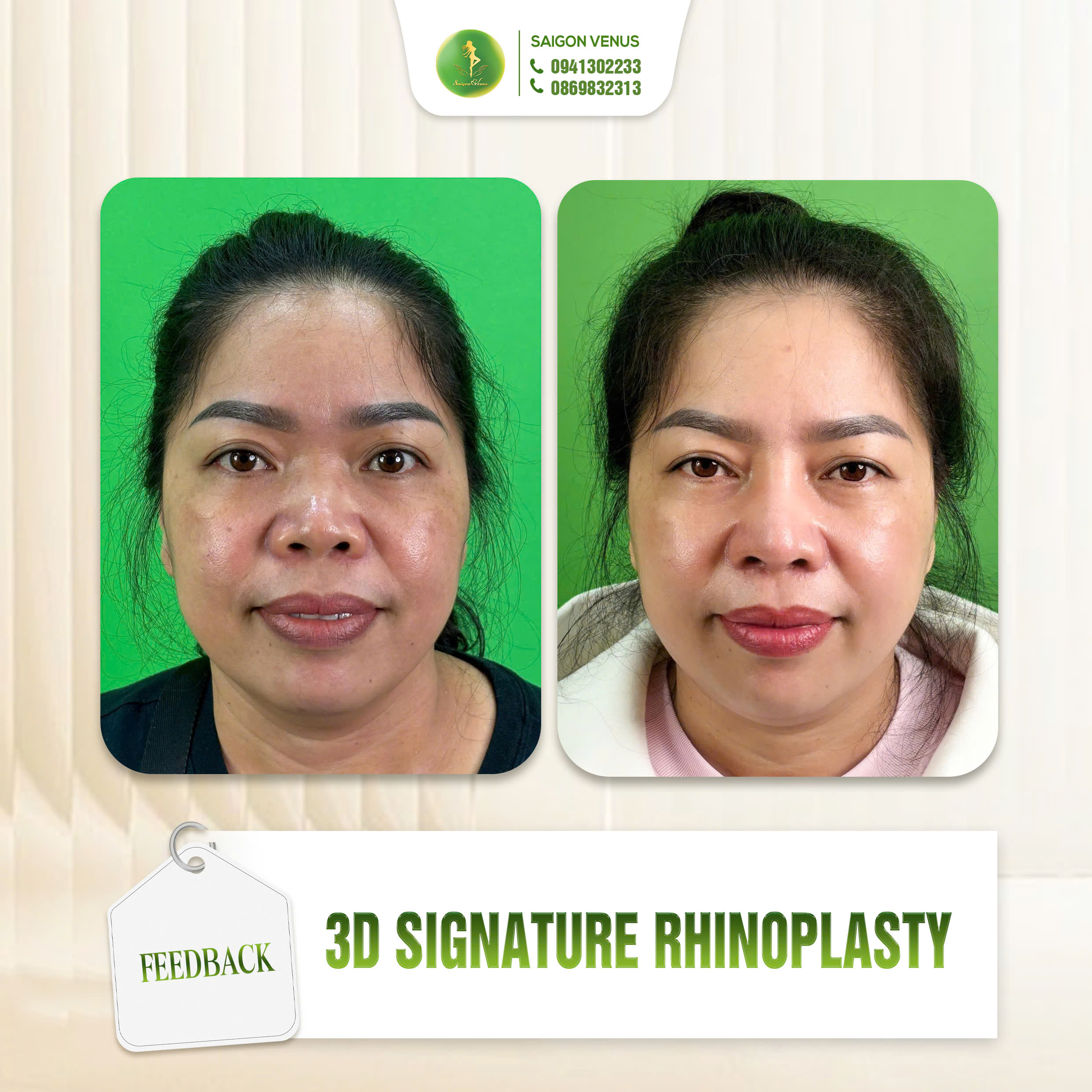
After recovery, the transformation is evident yet refined. From the frontal view, the nasal bridge appears straight and centered, with symmetrical nostrils and improved columellar alignment. The face now presents a more balanced and harmonious appearance without any signs of rigidity or artificiality.

From the lateral angle, the nasal dorsum shows a smooth, elegant contour with appropriate height and gentle projection. The nasal tip is slimmer, better defined, and naturally elevated, contributing to a softer and more youthful facial profile.
Most importantly, the results appear stable and structurally sound, not only aesthetically pleasing. The reinforced nasal framework reduces the likelihood of future deviation, tip drooping, or revision surgery.
- Address: 702/2 Su Van Hanh Street, Ward Hoa Hung, Ho Chi Minh City, Vietnam
- Hotline for Dr. Huy at SaiGon Venus: +84 941 302 233
- Website: https://thammysaigonvenus.vn
- Aesthetic Installment Support: Hotline +84 941 30 22 33 or via Zalo

Promotions and Programs at SaiGon Venus:
- Join a livestream with Dr. Nguyen Tien Huy for in-depth consultation on aesthetic services.

- Service Pricing: For detailed pricing, please refer to the website or contact via hotline.
Note: Service results may vary depending on individual body characteristics.