


What Is a Deep Plane Facelift?
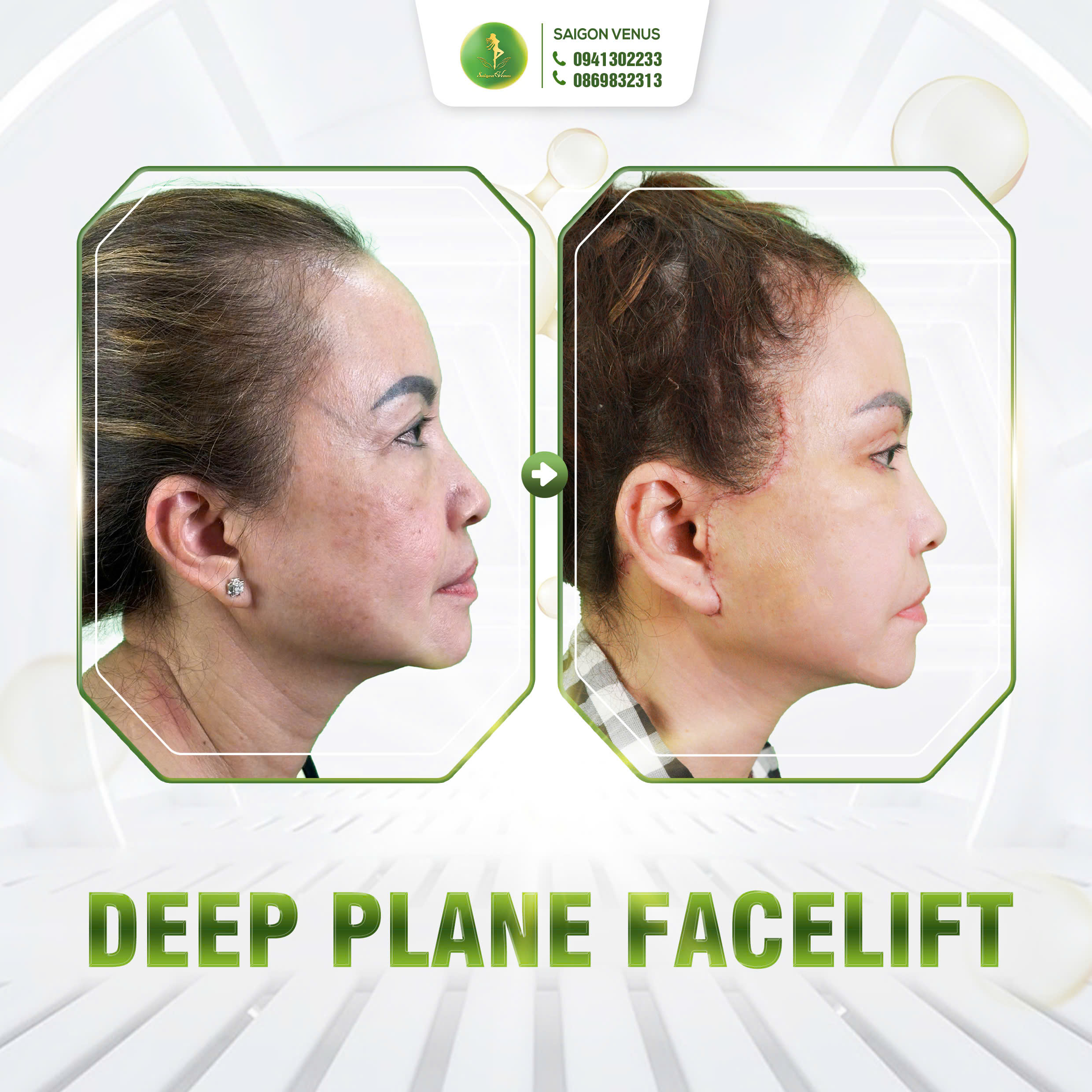
A Deep Plane Facelift is an advanced cosmetic procedure that lifts and repositions the underlying facial muscles and fat pads, rather than merely pulling the skin. This technique allows for a more natural and longer-lasting rejuvenation, especially in the midface, jawline, and neck. Because it works below the superficial muscular aponeurotic system (SMAS), it can correct deeper signs of aging more effectively.
Common Risks Associated with Deep Plane Facelift
Despite its benefits, the Deep Plane Facelift is a technically demanding procedure. The most common risks include:
1. Swelling and Bruising
Swelling and bruising are normal after any facelift, especially in the first two weeks. With the deep plane technique, these may be slightly more pronounced due to the depth of tissue manipulation. While usually temporary, patients should be prepared for downtime and a gradual recovery process.
2. Nerve Injury
One of the most serious risks in a Deep Plane Facelift is facial nerve damage. Since the procedure involves working in areas close to the facial nerves, particularly those that control movement, there is a rare but possible risk of temporary or permanent nerve injury. This can lead to weakness or asymmetry in facial expressions.
3. Hematoma
A hematoma, or a collection of blood beneath the skin, is a potential post-surgical complication. It typically occurs within the first 24–48 hours and may require surgical drainage. While not life-threatening, it can delay healing and affect the final aesthetic outcome.
4. Infection
Although rare, infection is a possible complication of any surgical procedure. Antibiotics are usually prescribed post-operatively to minimize this risk. Keeping the surgical site clean and following the doctor’s aftercare instructions are essential for preventing infection.
5. Scarring and Skin Irregularities
While incisions are placed in discreet areas, some individuals may experience hypertrophic or thickened scarring. In addition, if too much tension is placed on the skin during closure, there may be rippling or contour irregularities.


How to Minimize the Risks
Choosing a highly experienced, board-certified facial plastic surgeon is the most important step in minimizing complications. Pre-operative planning, detailed consultation, and realistic expectations play vital roles in achieving a safe and satisfying outcome. Patients should also:
-
Disclose their full medical history and current medications
-
Follow pre- and post-operative instructions closely
-
Avoid smoking, which impairs healing
-
Allow adequate time for rest and recovery
Is It Worth the Risk?
For many patients, the benefits of a Deep Plane Facelift far outweigh the risks. When performed by a skilled surgeon, the results are not only more natural and youthful but also longer lasting than traditional facelift techniques. The key is to make an informed decision based on expert advice and a thorough understanding of your own goals and anatomy.
- Address: 702/2 Su Van Hanh Street, Ward Hoa Hung, Ho Chi Minh City, Vietnam
- Hotline for Dr. Huy at SaiGon Venus: +84 941 302 233
- Website: https://thammysaigonvenus.vn
- Aesthetic Installment Support: Hotline +84 941 30 22 33 or via Zalo

Promotions and Programs at SaiGon Venus:
- Join a livestream with Dr. Nguyen Tien Huy for in-depth consultation on aesthetic services.

- Service Pricing: For detailed pricing, please refer to the website or contact via hotline.
Note: Service results may vary depending on individual body characteristics.