



No one ever wants to experience a failed rhinoplasty. However, if complications unfortunately occur, it is important to seek out a highly qualified and experienced surgeon who specializes in revision rhinoplasty to ensure that the nose can be reconstructed as appropriately as possible. The same was true for Karina, who made the long journey from France back to Vietnam specifically to see ThS-BS Nguyen Tien Huy, a leading specialist in complex failed-nose reconstruction.
Severe Contracted Failed Nose – A Challenging Case for Dr. Huy
Revision rhinoplasty is widely considered one of the more complex areas of nasal surgery, particularly when a patient has undergone multiple previous procedures and developed contraction, fibrosis, scar adhesions, or reactions to previous artificial implants. For overseas Vietnamese patients returning to Vietnam for treatment, the process may also require more careful preparation in terms of examination, diagnosis, and surgical planning.
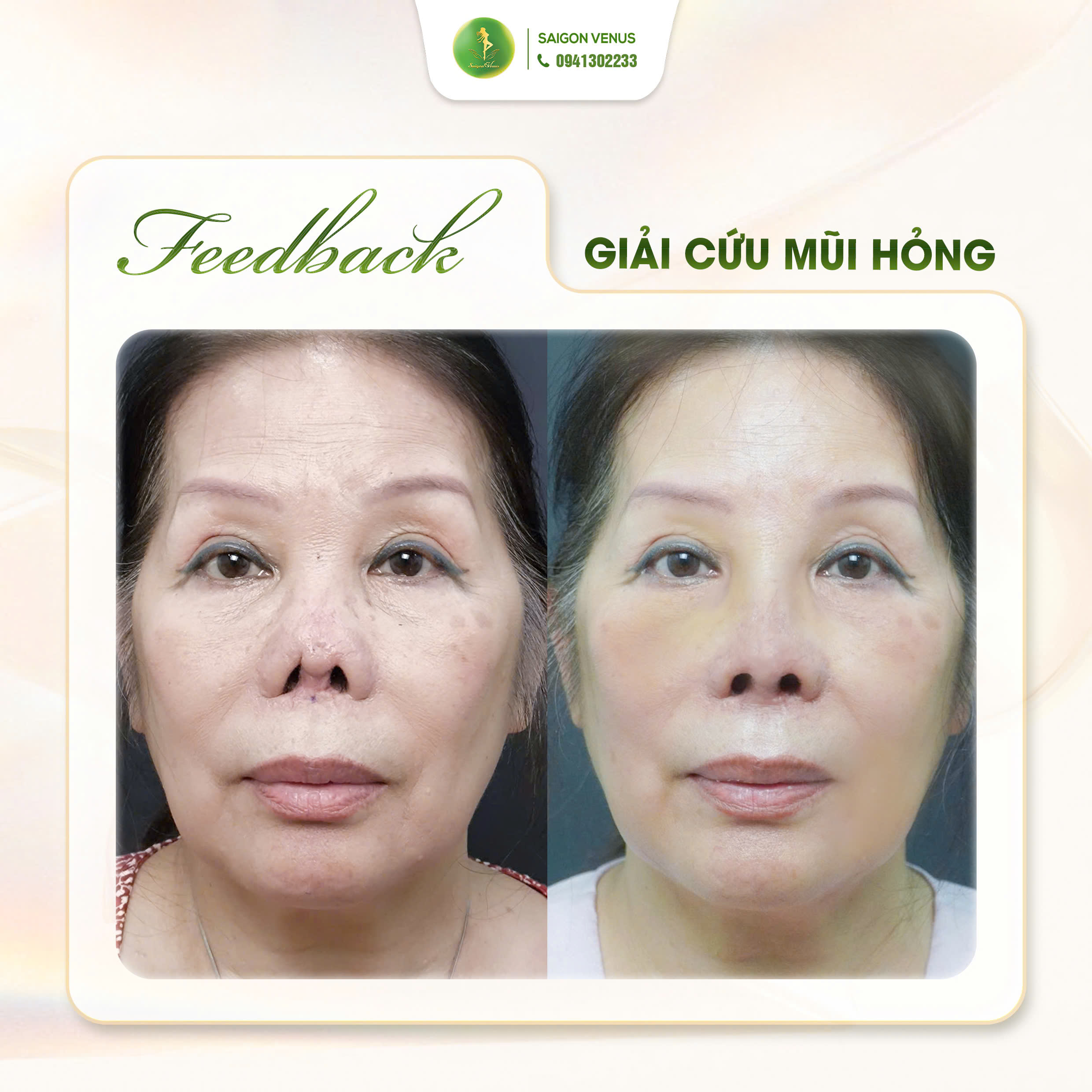
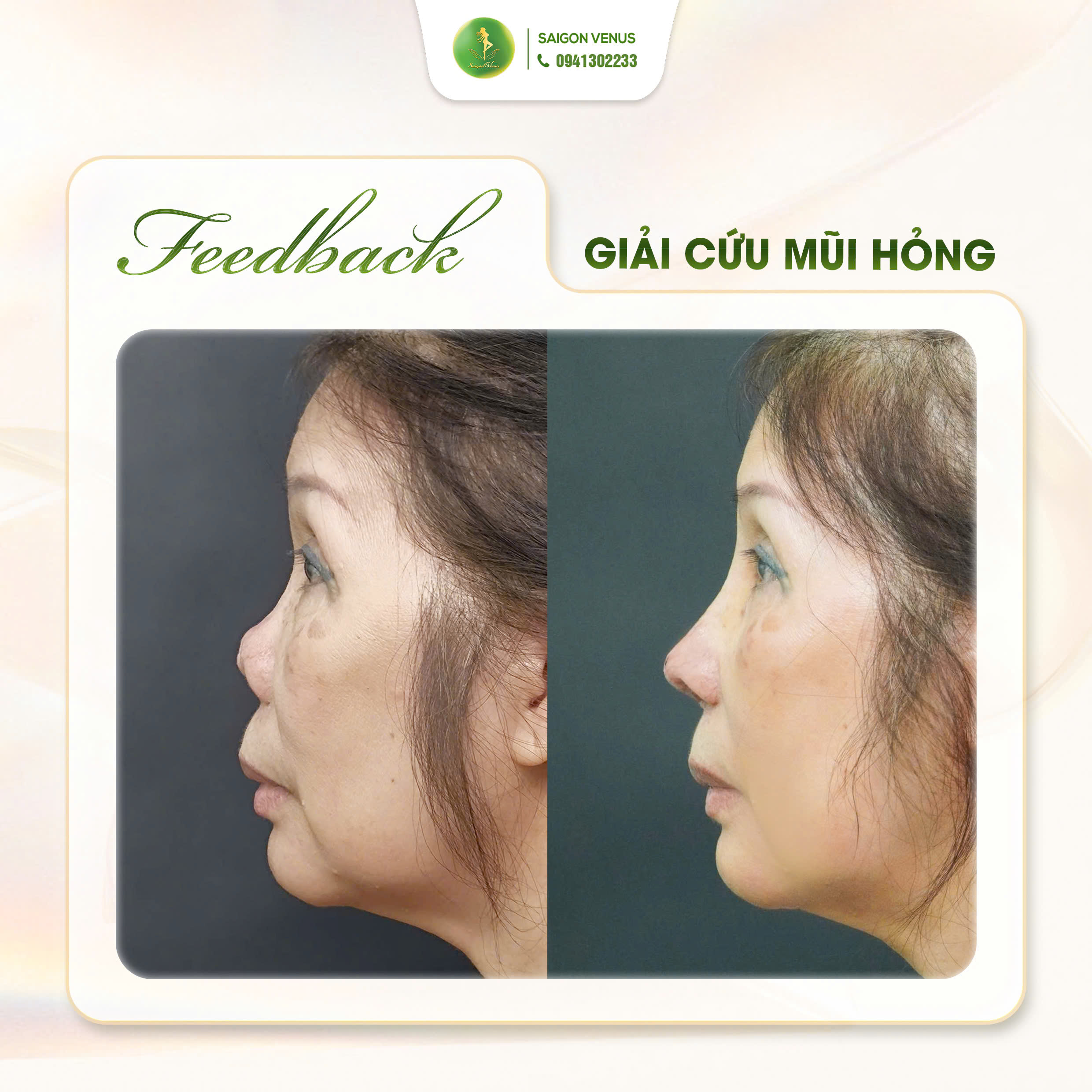
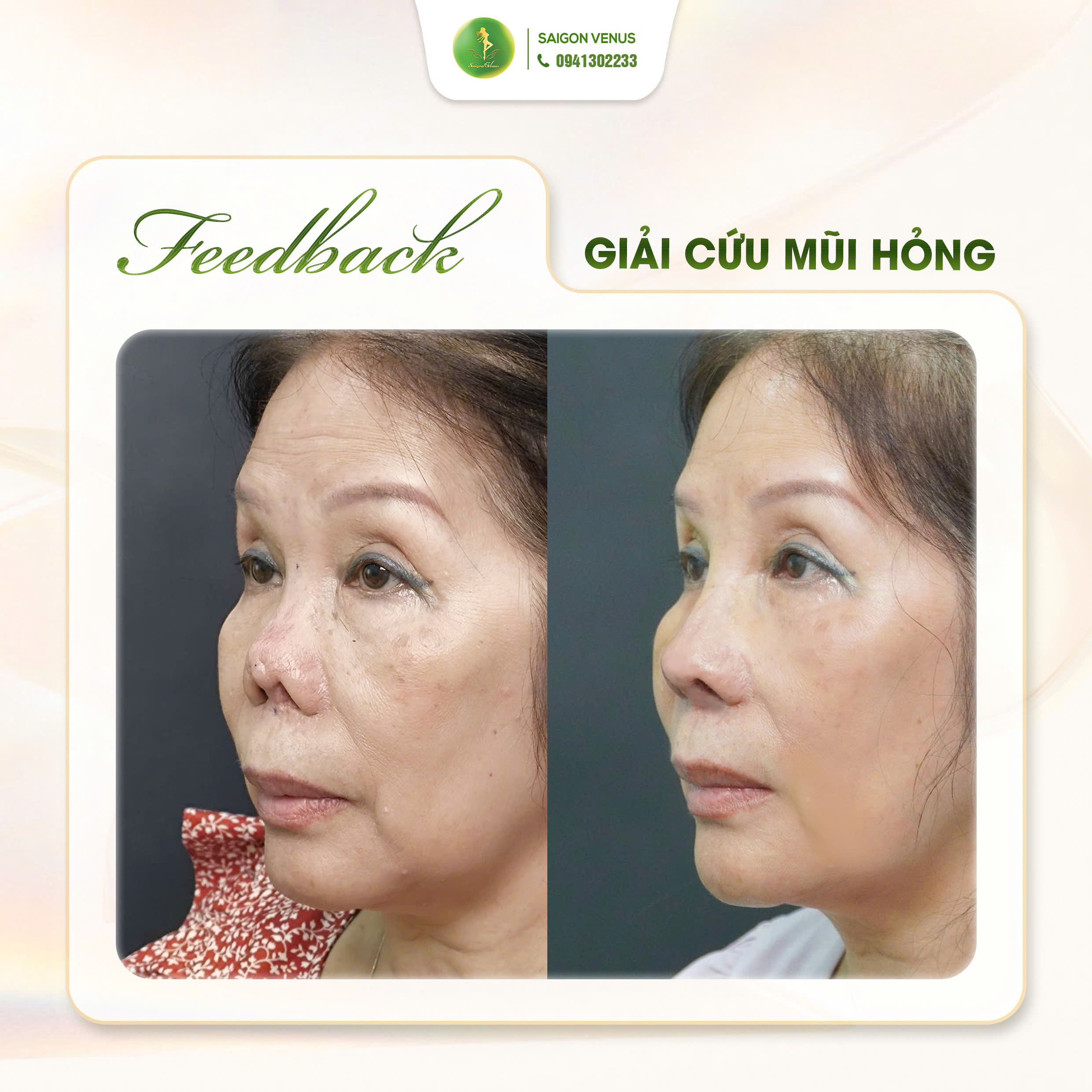
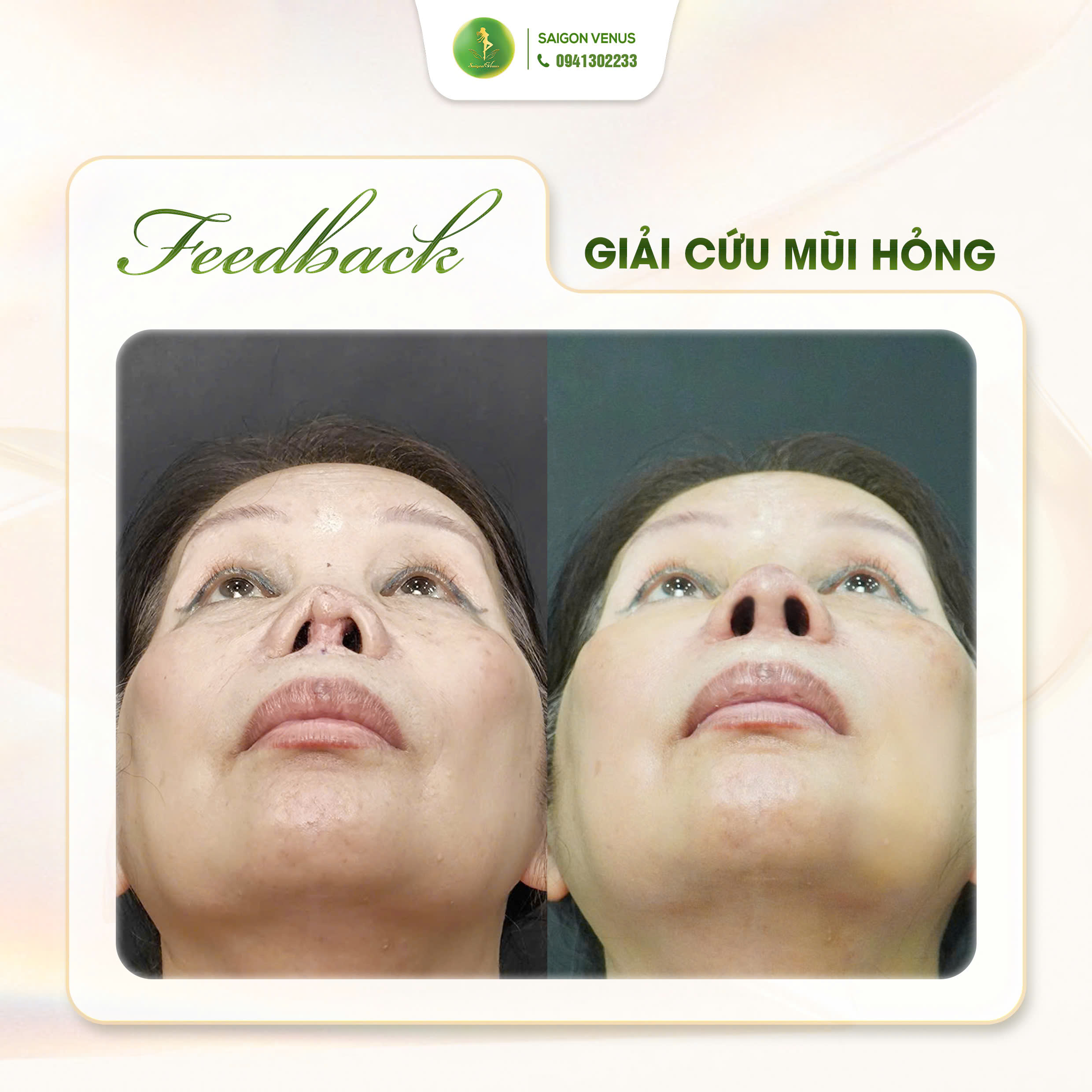
Karina’s case is a representative example. She returned to Vietnam with a severely contracted and deformed nose, along with a history of adverse reactions to artificial materials and extensive scar adhesions. This was not simply a case of reshaping the nose; it required reconstruction of multiple components of the nasal structure.
In cases like this, the surgeon needs to comprehensively assess the soft tissues, cartilage framework, nasal lining, degree of fibrosis, and structural changes caused by previous surgeries. Only after this evaluation can an appropriate treatment plan be developed for the individual patient.
Analysis of Karina’s Nasal Condition
♦︎ History of reaction to artificial materials: Her body had previously reacted adversely to synthetic implant material, resulting in chronic inflammation, fibrosis, and severe thinning of the nasal tip skin.
♦︎ Contraction and structural deformity: Fibrotic tissue had shortened the nose, pulled the nasal tip upward, caused soft-tissue deficiencies, and created contracted depressed scars around the nasal tip.
♦︎ Nasal lining deficiency: Prolonged contraction had caused significant shortening and deficiency of the mucosal lining inside the columella, while the nasal valve area had become narrowed and deformed.
A Treatment Plan Tailored to Her Nasal Condition
Given the severe contraction and deformity, previous exposure to artificial implant materials, thin soft tissue, extensive scar adhesions, and deficiency of the columellar lining, Karina’s case required a highly individualized treatment plan rather than a conventional revision approach. The surgeon needed to comprehensively evaluate both the internal and external nasal structures, determine the extent of tissue damage, release the contracted fibrotic tissue, and reconstruct the affected tissue layers as appropriate, with the goal of restoring structural support, improving the nasal appearance, and achieving a more harmonious and stable result.
Full Autologous Rib Cartilage Reconstruction:
♦︎ Function: Used as the core grafting material to reconstruct the structural framework and provide support for the nose.
♦︎ Application: Used to rebuild a strong nasal columella, release the contracted scar bands, and restore the nasal tip to a more appropriate length and proportion.
Rib Fascia Wrapping for the Nasal Bridge:
♦︎ Function: Creates a biological cushioning layer around the rib cartilage used to reconstruct the nasal bridge.
♦︎ Advantages: Designed to provide a softer and more natural appearance while helping reduce the risk of contour irregularities, visible cartilage edges, or progressive thinning of the overlying nasal skin.
Defect Reconstruction & Columellar Mucosal Grafting:
♦︎ Function: Helps restore areas of deficient skin and internal nasal lining caused by prolonged contraction.
♦︎ Purpose: Helps reconstruct the nasal valve space and facilitate downward repositioning of the nasal tip without excessive tension from the contracted internal mucosa or further distortion of the nostrils.
Autologous Dermal Tissue for Depressed Nasal Tip Scars:
♦︎ Function: Helps fill areas of soft-tissue deficiency and address contracted, depressed scarring at the nasal tip.
♦︎ Advantages: Provides additional soft-tissue volume and support to help improve the contour and surface appearance of the nasal tip.
Let’s take a closer look at the noticeable transformation in Karina’s nose before and after her reconstruction.



Saigon Venus Clinic
📞 Hotline: 0846 30 22 33
📍 Address: 702/2 Su Van Hanh Street, Ward Hoa Hung, Ho Chi Minh City
🌐 Website: http://thammysaigonvenus.vn/