


Not every nose can be revised using a fixed formula, especially in cases where the patient has undergone previous procedures. When the nasal structure has changed, soft tissue has been affected, or tissue is missing, revision requires a comprehensive assessment and a carefully personalized reconstruction plan.
A client from Cambodia chose Vietnam for her revision rhinoplasty, hoping to achieve a Shanghai-inspired nose with a moderate, elegant bridge and a rounder, softer nasal tip.
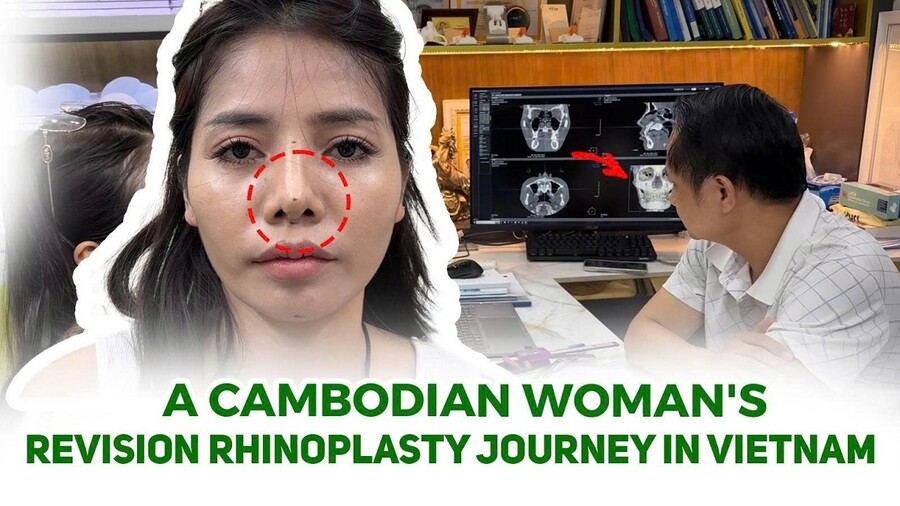
How was the initial nasal structure assessed, and what treatment plan was recommended?
From the initial consultation, the surgeon does not simply focus on whether the client wants a higher or lower nose. Instead, the entire nasal foundation must be assessed, including the nasal bones, tip cartilage, columella, alar base, and the condition of the existing soft tissue.
For revision and reconstructive rhinoplasty, every detail can affect the final outcome. Simply trying to create a higher nose while overlooking the underlying structural foundation may result in an unstable nasal shape or one that does not harmonize with the face.
After a thorough examination and structural assessment, the surgeon developed a surgical plan based on the client’s actual condition. The plan included nasal bone adjustment, alar refinement, grafting to areas with tissue deficiencies, and reconstruction of the columella to provide stronger structural support for the nasal tip.
This is also why complex revision rhinoplasty often requires more surgical steps than a primary rhinoplasty procedure.
Nasal reconstruction using rib cartilage
One of the key components of this procedure was reconstructing the nasal columella using rib cartilage.
Rib cartilage was used to supplement and rebuild the columellar structure according to the pre-planned surgical design. The purpose of columellar reconstruction was not simply to increase tip projection, but also to establish an appropriate structural foundation for shaping the nasal tip.
With the goal of achieving a round and naturally projected tip, the supporting framework needs to be carefully balanced. If the structure is overbuilt, the tip may appear too rigid or unnatural. On the other hand, insufficient structural support may prevent the nose from achieving the desired shape.
In addition to the columella, Surgiform was used for the nasal bridge according to the surgical plan. The goal was to create a bridge that complemented the desired Shanghai-inspired shape while remaining balanced with the nasal tip and the overall facial structure.
The key point is not to make the bridge as high as possible, but to choose proportions that allow the nose to blend naturally with the rest of the facial features.
Refining the nasal shape for a natural-looking result
In addition to the columella and nasal bridge, the alar base was also adjusted according to the surgical plan to create better balance in the lower part of the nose.
In particular, when areas of soft tissue are deficient or require additional support, the surgeon must carefully determine the grafting position to provide structural support while maintaining an aesthetically pleasing appearance.
In this procedure, temporal fascia was also used as planned to increase soft-tissue coverage and help create a softer appearance around the nasal tip.
This was especially important because the client’s goal was not simply to achieve a higher nose, but also to maintain a natural appearance when viewed both from the front and in profile.
THE GOAL IS A SHANGHAI-INSPIRED NOSE THAT STILL SUITS THE FACE
A Shanghai-inspired nose is often characterized by an elegant nasal bridge, a refined and slightly projected profile, and a clearly defined nasal tip. However, the same nasal design cannot be applied identically to everyone.
A beautiful nose still needs to be customized according to each individual’s structural foundation and facial proportions.
Therefore, in this case, the goal was not to copy a pre-existing template, but to use the client’s preferences as a starting point and create a version that was specifically suited to her face.
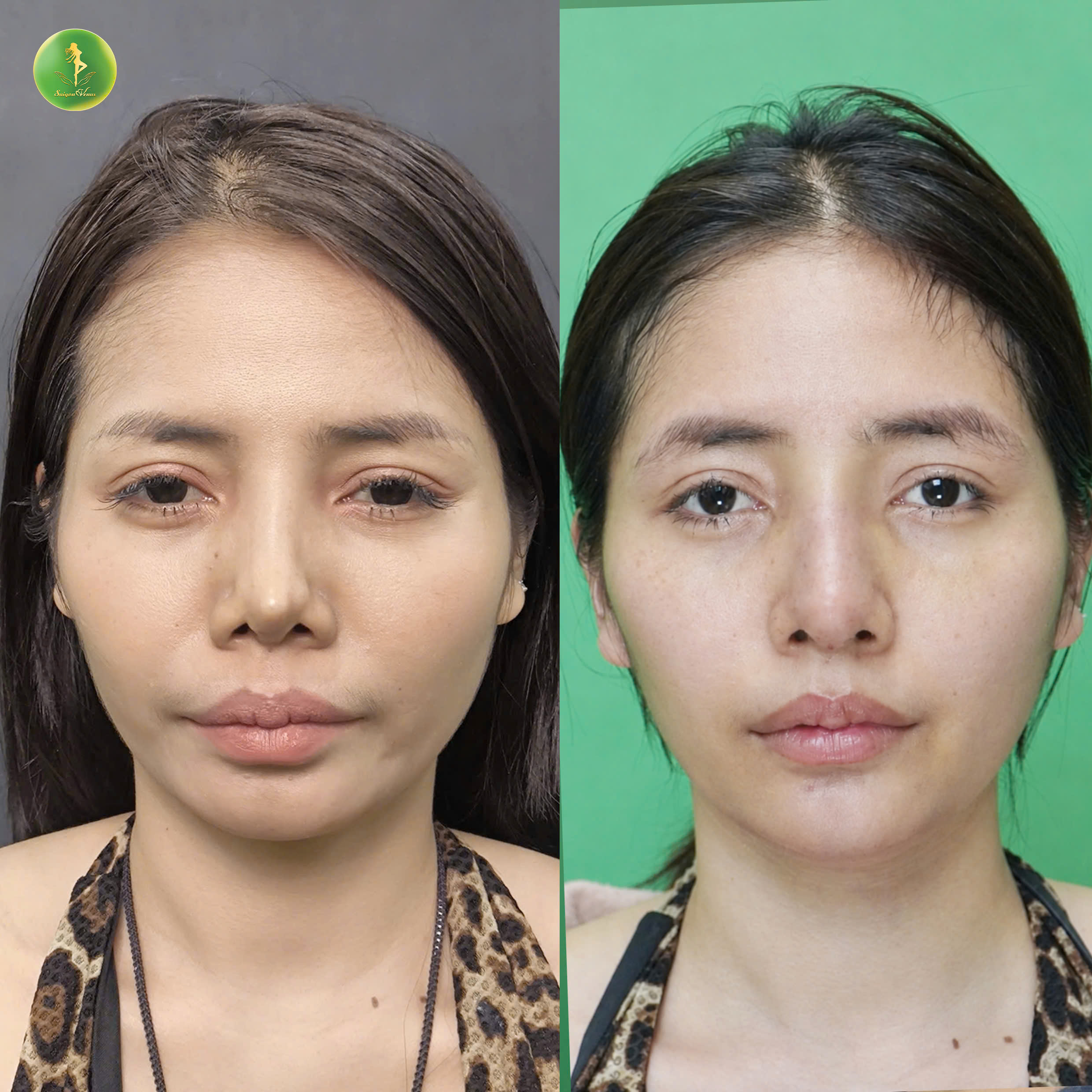
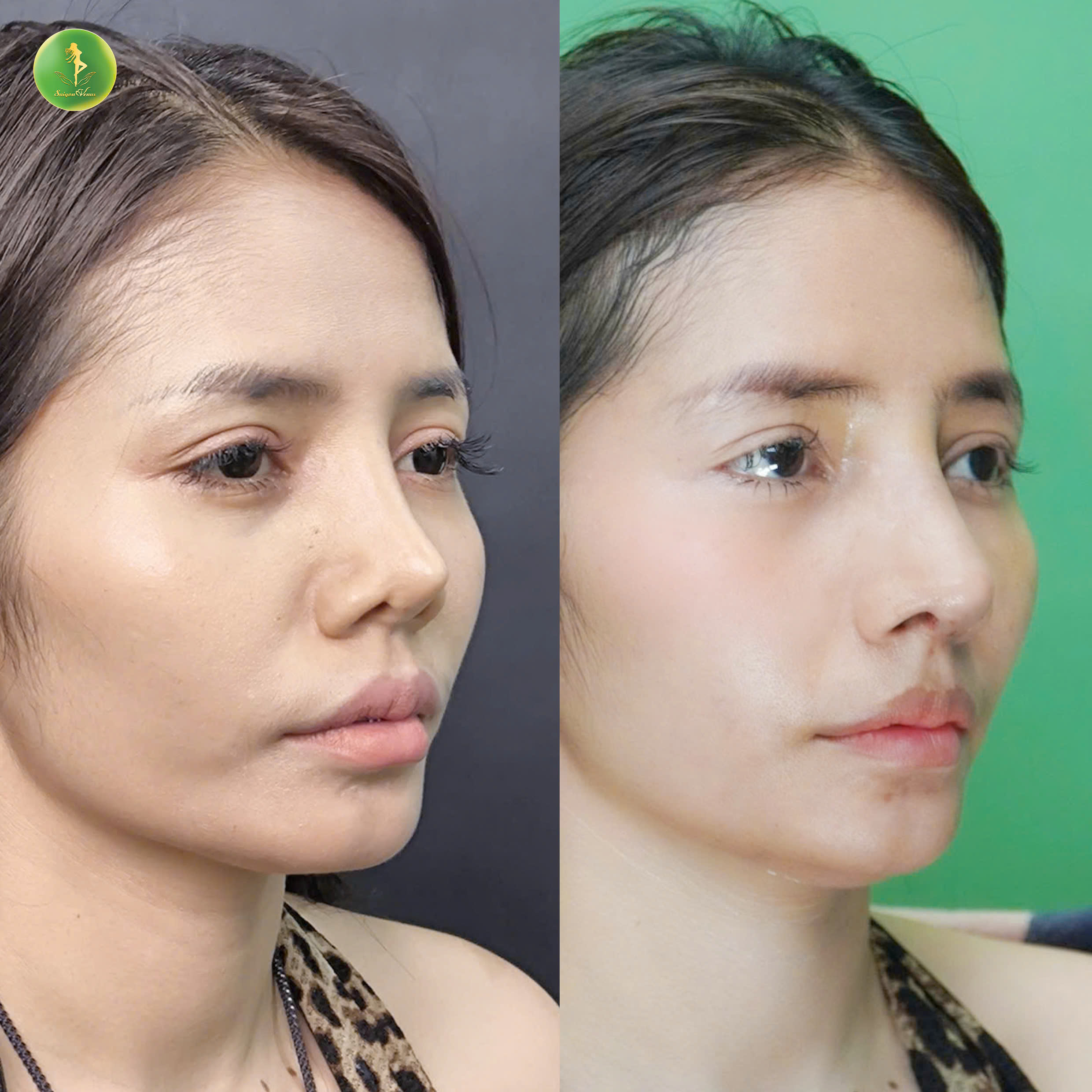
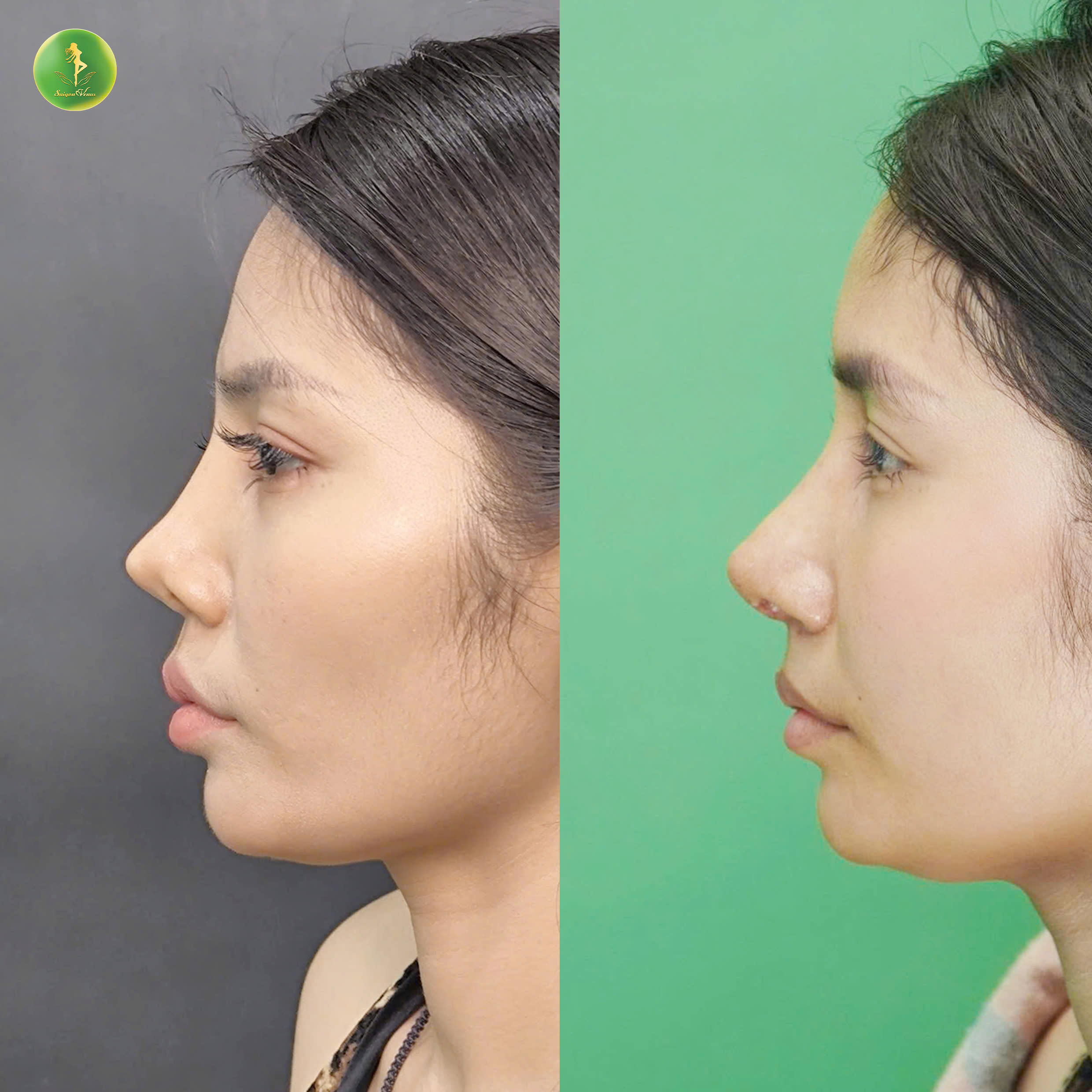
The nasal tip was designed to appear rounder with natural projection without becoming overly pointed. The nostrils were also refined to appear more enclosed and balanced, helping the entire tip look softer once the nose has fully stabilized.
What did the nose look like at the 10-day follow-up?
For patients who have undergone previous procedures, revision rhinoplasty is not simply a matter of raising the bridge or reshaping the tip. The nasal structure may have changed, while the soft tissue may have been affected or become deficient. Therefore, careful examination and an individualized surgical plan are essential.
The client wanted a Shanghai-inspired nose with a moderately elevated bridge, elegant contours, and a rounder, softer nasal tip. The goal was to create a harmonious appearance that looked natural rather than overly rigid or sharp.
After surgery, the nose needs time to heal. Swelling and edema are common during the early recovery period, so the appearance at this stage cannot yet represent the final result.
At day 10, the nasal bridge was still experiencing some swelling, so the contours had not fully stabilized. However, the initial changes were already becoming visible: the tip appeared rounder, the nostrils were more enclosed, and the overall shape was beginning to follow the direction agreed upon before surgery.
Especially in reconstructive cases, evaluating the result too early may not provide an accurate assessment. Day 10 is simply one milestone in the recovery process.
As swelling gradually decreases and the soft tissue becomes more stable, the nasal shape will continue to evolve and become more defined. This case highlights the importance of carefully assessing the nasal structure and personalizing the surgical approach for every revision rhinoplasty patient.
*Results may vary depending on each individual’s anatomy and healing response.