Revision rhinoplasty is one of the most demanding challenges in aesthetic surgery—especially when the patient presents with multiple structural and soft-tissue issues caused by previous procedures. This case is a clear example of how advanced technology, precise diagnosis, and experienced surgical judgment can work together to completely redefine outcomes.
Before Surgery: Multiple Complications After a Previous Rhinoplasty
Before coming to Dr. Nguyen Tien Huy, the client had already undergone a rhinoplasty. Although the initial surgery changed the appearance of the nose, it left behind a series of complex aesthetic and structural problems.


The most critical issue was extremely thin nasal skin, which made the implant visibly detectable. The nasal dorsum appeared harsh and artificial, with a high risk of long-term exposure. Additionally, the internal nasal valve was enlarged, affecting both aesthetics and nasal airflow.
The nasal tip was short, low, and bulky, with thick skin that lacked definition. This combination caused the nose to appear blunt and heavy, disrupting overall facial harmony. Compounding the issue, the columella was weak and retracted, failing to provide adequate support to the nasal tip.
One of the most noticeable concerns was nostril asymmetry. The nasal base deviated from right to left, creating visible imbalance when viewed from the front. This asymmetry was not merely superficial—it reflected deeper structural instability beneath the skin.
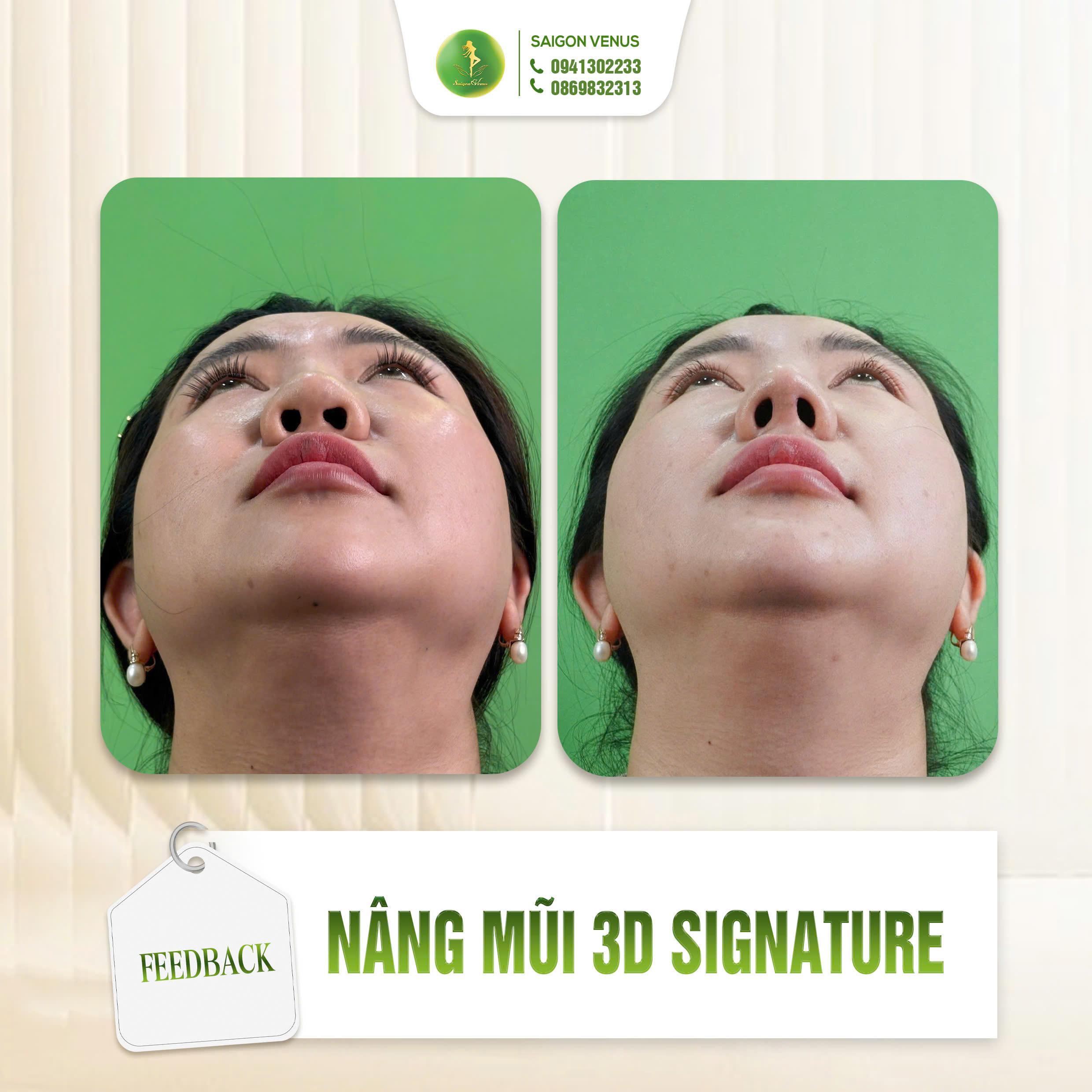

Surgical Strategy: Why 3D Signature Rhinoplasty Was Chosen
After a thorough consultation, facial analysis, and 3D CT scanning, Dr. Nguyen Tien Huy determined that the most appropriate solution was rib cartilage rhinoplasty combined with 3D Signature technology.
Rather than relying on manual estimation, 3D Signature rhinoplasty allows the entire nasal structure to be digitally designed based on the patient’s facial axis. Using specialized software and AI-assisted analysis, Dr. Huy was able to evaluate bone deviation, soft tissue limitations, and symmetry issues with exceptional accuracy.

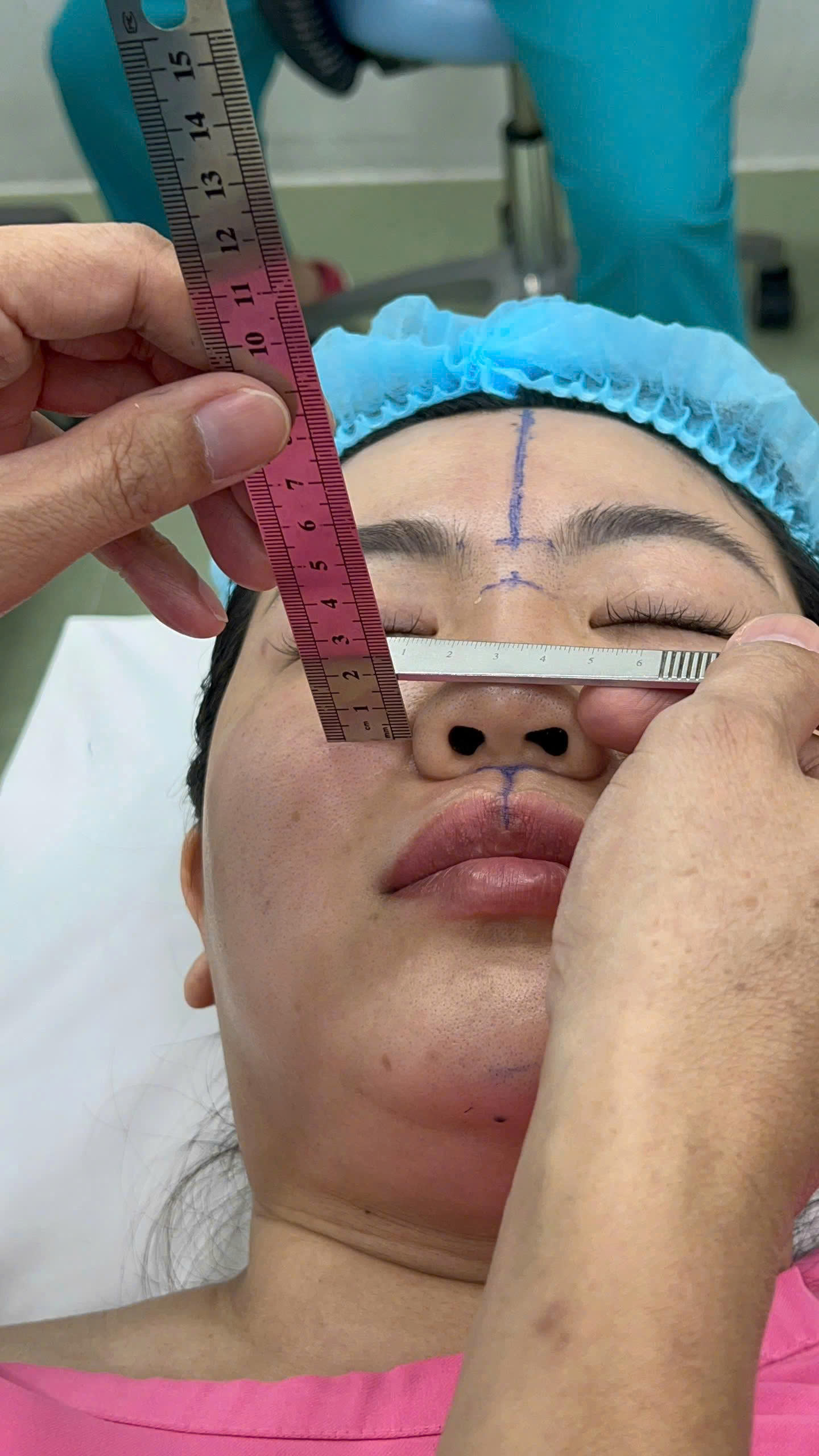
Through 3D simulation, the nasal bridge was redesigned to align perfectly with the facial midline—independent of the patient’s existing bone irregularities. This was especially critical in correcting the right-to-left deviation and restoring balance to the nasal base.
The use of autologous rib cartilage played a key role in reinforcing the nasal framework. Rib cartilage provided strong, long-lasting support for the weakened columella, allowing the nasal tip to be lengthened, elevated, and stabilized without placing tension on the thin skin.
Additionally, rib cartilage was carefully sculpted to smooth the dorsum, eliminating implant visibility while maintaining a natural contour—an essential factor for patients with thin nasal skin.
SaiGon Venus Contact Information


